
Cost-Effective Material Handling Strategies with Forklift Attachment Types

Efficient material handling is the backbone of any successful operation. When businesses in the Middle East seek to optimize their workflows, they must focus on strategies that reduce costs without compromising quality or safety. One of the most effective ways to achieve this is by leveraging the right forklift attachment types. These attachments can transform a standard forklift into a versatile tool, capable of handling a wide range of materials and tasks with ease.
In this post, I will share practical insights and actionable recommendations to help you implement cost-effective material handling strategies. Whether you are managing a warehouse, a manufacturing plant, or a distribution center, these tips will help you boost productivity and operational efficiency.
Understanding Forklift Attachment Types
Forklift attachments are accessories that enhance the functionality of forklifts. They allow you to handle different materials safely and efficiently, reducing the need for multiple machines. Here are some common forklift attachment types that can make a significant difference:
Fork extensions: These increase the length of your forks, allowing you to lift longer loads safely.
Side shifters: These enable the forks to move left or right, improving load positioning without moving the entire forklift.
Rotators: Perfect for dumping containers or rotating loads, ideal for industries handling bulk materials.
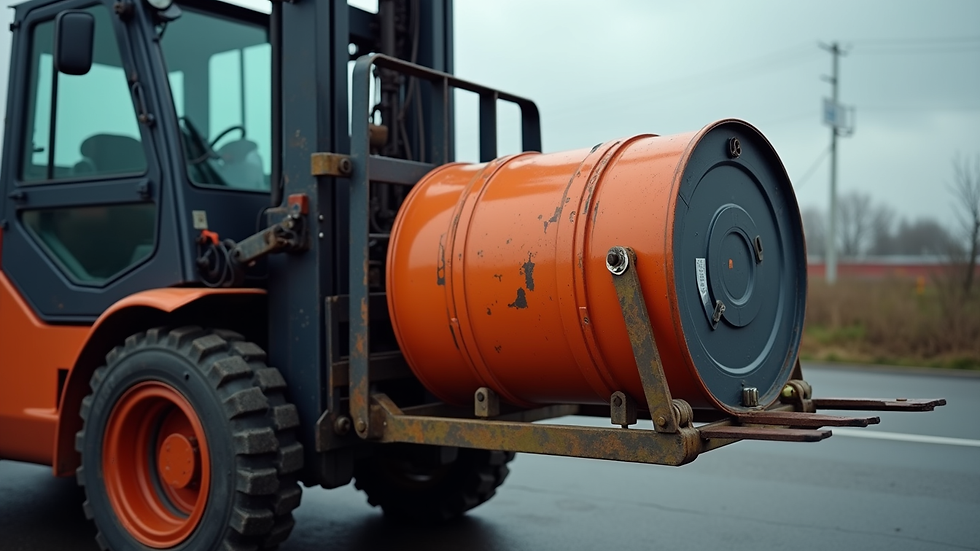
Clamps: Used for handling items like drums, cartons, or appliances without pallets.
Push/pull attachments: Designed for slip-sheet handling, reducing the need for pallets and saving space.
Choosing the right attachment depends on your specific material handling needs. Investing in versatile attachments can reduce equipment costs and improve workflow efficiency.

How can materials handling cost be reduced?
Reducing material handling costs is essential for maintaining competitive operations. Here are some proven strategies to help you achieve this:
Optimize Equipment Usage
Use forklift attachments to maximize the versatility of your existing equipment. This reduces the need to purchase multiple specialized machines.
Implement Preventive Maintenance
Regular maintenance of forklifts and attachments prevents costly breakdowns and extends equipment life.
Train Operators Effectively
Skilled operators handle materials more efficiently and safely, reducing damage and downtime.
Streamline Workflow Layout
Design your workspace to minimize unnecessary movement. Efficient layouts reduce handling time and fuel consumption.
Use Technology for Inventory Management
Automated tracking systems help reduce errors and improve material flow, cutting down on excess handling.
Negotiate Bulk Purchase of Attachments
Buying attachments in bulk or as part of a package deal can lower upfront costs.
By combining these strategies, you can achieve significant material handling cost reduction while maintaining high operational standards.
Practical Tips for Selecting Forklift Attachments
Selecting the right forklift attachment is crucial for cost-effective material handling. Here are some tips to guide your decision:
Assess Your Load Types
Understand the size, weight, and shape of the materials you handle most frequently. This will help you choose attachments that fit your needs perfectly.
Consider Attachment Compatibility
Ensure the attachments are compatible with your forklift models to avoid costly modifications.
Prioritize Safety Features
Look for attachments with built-in safety mechanisms to protect operators and materials.
Evaluate Durability and Maintenance
Choose attachments made from high-quality materials that require minimal maintenance.
Test Before You Buy
Whenever possible, test attachments in your actual work environment to ensure they meet your expectations.
These steps will help you invest wisely and avoid unnecessary expenses.
Enhancing Productivity with Forklift Attachments
Forklift attachments do more than just reduce costs - they also boost productivity. Here’s how:
Faster Load Handling
Attachments like side shifters and rotators speed up load positioning and unloading.
Reduced Damage
Clamps and push/pull attachments handle delicate items gently, minimizing product damage.
Improved Space Utilization
Attachments that allow slip-sheet handling reduce pallet use, freeing up valuable storage space.
Versatility
One forklift with multiple attachments can perform various tasks, reducing the need for additional equipment.
By integrating the right attachments, you can streamline operations and increase throughput without expanding your fleet.
Building a Cost-Effective Material Handling Plan
Creating a comprehensive plan is key to long-term success. Here’s a simple framework to get started:
Analyze Current Operations
Identify bottlenecks, inefficiencies, and high-cost areas in your material handling process.
Set Clear Objectives
Define what you want to achieve - whether it’s reducing costs, improving safety, or increasing speed.
Select Appropriate Equipment and Attachments
Match your objectives with the right forklift attachment types and other tools.
Train Your Team
Ensure all operators understand how to use attachments safely and effectively.
Monitor and Adjust
Track performance metrics and make adjustments as needed to optimize results.
This structured approach helps you maintain control over costs while enhancing operational efficiency.
Moving Forward with Confidence
Investing in the right forklift attachment types and adopting smart material handling strategies can transform your operations. You’ll see improvements in cost savings, productivity, and safety. Remember, the key is to choose attachments that fit your specific needs and to maintain a proactive approach to equipment management.
By focusing on these cost-effective strategies, you position your business for sustainable growth and success in the competitive Middle Eastern market.
Start exploring your options today and take the first step toward smarter, more efficient material handling.


Comments